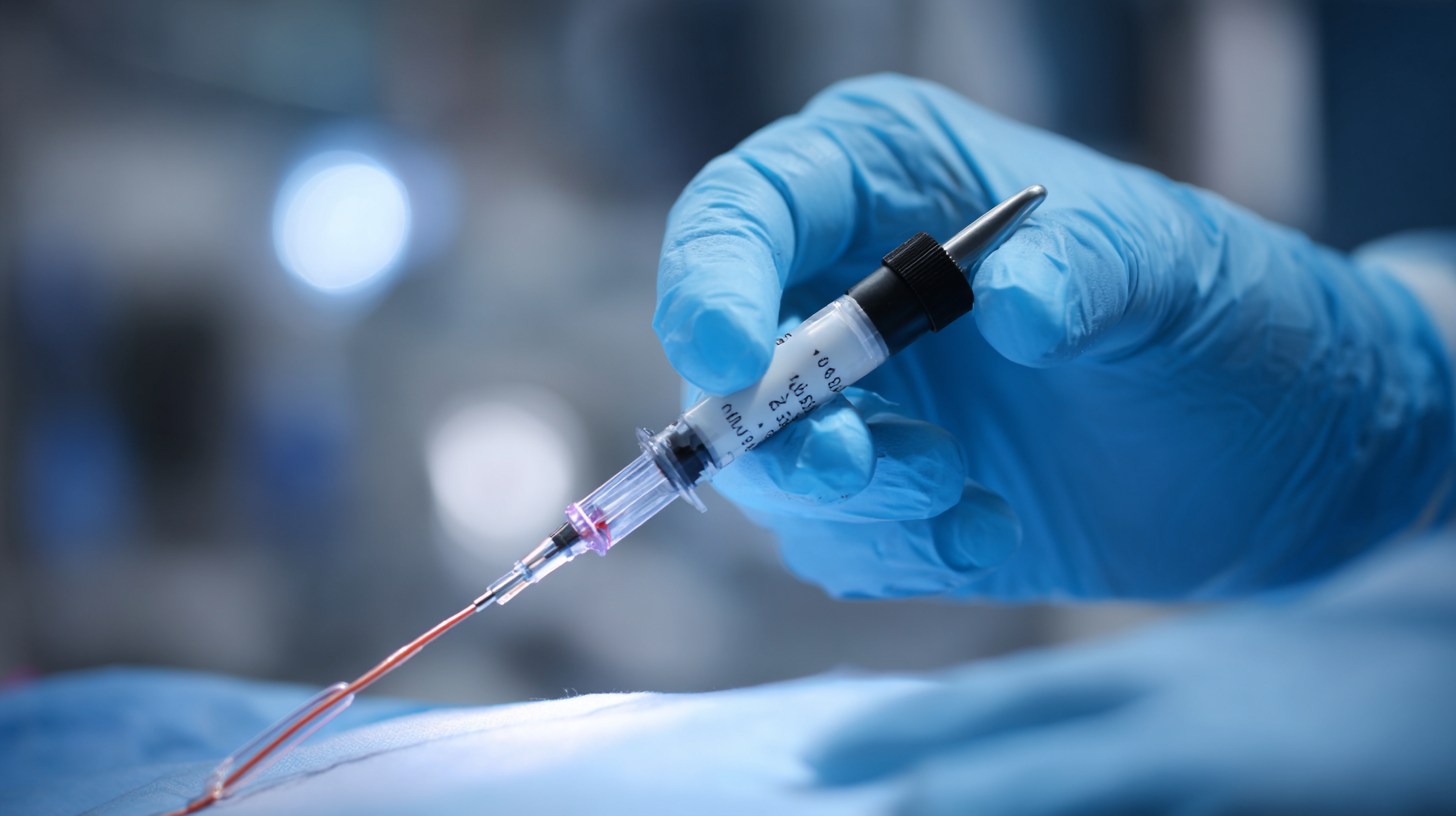
When it comes to improving patient outcomes and moving healthcare forward, managing Central Venous Catheter Single Lumen systems effectively has really become a top priority in today’s medical world. Lately, new studies have been shedding light on the best ways to safely insert and care for these crucial devices—since they’re so important for giving meds and fluids straight into the bloodstream. As a company at the forefront of healthcare, Tianck Medical CO., Ltd. is committed to designing precision-engineered products that adapt to the changing needs of medical professionals and patients around the globe. By tapping into the latest research, we hope to give healthcare workers the knowledge and tools they need to better use Central Venous Catheters, cut down on complications, and most importantly, provide better care for patients. In this article, we're going to cover some key techniques and strategies based on recent studies, so you can get a deeper understanding of how to manage these catheters safely in clinical settings.

Best Practices for Pre-Insertion Assessment of Patients Requiring Central Venous Catheters
When you're thinking about placing a central venous catheter (or CVC), doing a thorough pre-insertion assessment is absolutely key — it can’t be overstated. Taking the time to review the patient’s medical history, their current health situation, and even the specific anatomy of their blood vessels really makes a difference. This way, healthcare providers can spot potential issues early on and customize the procedure to fit the individual perfectly. It’s all about safety and making sure everything goes smoothly.
Here are a few tips I find really helpful:
- First, go over the patient's history carefully—any previous surgeries or problems with accessing veins? This info can guide you toward the best insertion site.
- Also, using ultrasound guidance during the procedure is a game-changer. It helps you accurately find those veins and avoid complications like pneumothorax.
- And don’t forget, getting informed consent is super important — chat with your patient about the risks and benefits, answer their questions, and make sure they’re comfortable with the process. Building that trust upfront really pays off.
Overall, a careful pre-insertion check isn’t just about keeping the patient safe; it also helps streamline the whole process of managing Central Lines.It’s a small step that makes a big difference in patient care.
Essential Sterilization Techniques for Safe Catheter Insertion
Proper sterilization techniques are absolutely essential when it comes to safely inserting and managing central venous catheters, or CVCs for short. The CDC points out that sticking to strict sterilization protocols can cut down the risk of bloodstream infections related to these catheters by up to 60%. One of the most important steps is using chlorhexidine gluconate for skin cleaning — it’s actually shown to work way better than iodine-based solutions when it comes to preventing infections. In fact, a study published in the New England Journal of Medicinefound that patients who had chlorhexidine used during their Cvc Insertion saw infection rates drop from about3% to just 1.5%. Pretty impressive, right?
On top of that, keeping everything sterile during the procedure really makes a difference. That means everyone involved needs to wear the right protective gear, and the insertion site should be properly draped to keep things as clean as possible. Research in the American Journal of Infection Control suggests that using a full sterile barrier — like sterile gloves, drapes, mask, gown, the whole nine yards — can really lower the chances of infection. Following these sterilization practices isn’t just about safety; it’s actually become a standard part of care in many clinics now, especially with guidelines from groups like the Infusion Nurses Society. All in all, it really drives home how important it is to follow these sterilization steps closely if we want the best outcomes for our patients during CVC procedures.
Step-by-Step Guide to the Catheter Insertion Procedure
Inserting a central venous catheter (CVC) is a pretty important step in healthcare—it gives us a way to access the central veins for giving meds, managing fluids, or keeping an eye on things. Making sure to do it step-by-step really helps keep everything safe and effective. First off, you want to make sure you've picked the right patient and done a proper assessment—checking for any contraindications and getting their informed consent is a must. Then, you start by prepping a sterile field and gathering all your supplies, like the catheter, guidewire, and ultrasound device, which makes finding the vein way easier.
Once that's all set up, use either familiar anatomical landmarks or, even better, an ultrasound to find the right vein—most of the time, that’s the internal jugular, subclavian, or femoral vein. When you’ve successfully stuck the vein, you insert the guidewire, then slide in the catheter. It’s super important to keep everything sterile during the whole process and to make sure the catheter is secured properly afterward, so it doesn’t move or cause problems. Also, don’t forget to keep an eye out for signs of infection, blood clots, or any issues with the catheter, because monitoring is key to keeping the patient safe and managing the line properly.
How to Ensure Safe Insertion and Management of Central Venous Catheters: Insights from Recent Studies
| Step | Description | Safety Tips | Recent Study Insights |
| 1 | Site Selection | Use ultrasound guidance, ensure proper anatomical orientation. | Studies show increased success rates with ultrasound. |
| 2 | Preparation | Perform hand hygiene and wear sterile gloves. | Infection rates drop significantly with strict aseptic techniques. |
| 3 | Insertion | Insert catheter at appropriate angle and depth. | Proper technique reduces complications like pneumothorax. |
| 4 | Securement | Use appropriate securement devices to minimize movement. | Secure catheters properly to prevent mechanical phlebitis. |
| 5 | Management | Monitor site for signs of infection and maintain patency. | Consistent monitoring reduces adverse events. |
Monitoring and Managing Complications Post-Insertion
Central venous catheters, or CVCs for short, are pretty much a cornerstone in modern healthcare setups. They play a huge role in helping us deliver treatments and keep an eye on patients more effectively. That said, they’re not without their issues — complications after insertion can be a real concern. For example, studies show that about 3 to 6 percent of patients with CVCs end up with bloodstream infections related to the catheter. This really highlights how important it is to stay vigilant and stick to solid monitoring and management practices. The CDC stresses the importance of following strict aseptic techniques during both insertion and ongoing care to lower infection risks.
On top of that, catching and treating problems early can really make a difference. A recent review across multiple centers found that quick action on issues like catheter blockages or blood clots could cut down the need to remove the catheter by around 30%. That’s a big deal for keeping patients comfortable and maintaining smooth care. Using regular ultrasound checks to verify proper placement and function also boosts outcomes, cutting the chances of complications by roughly 25%. Essentially, proactive steps—like educating staff and sticking to well-established protocols—are key to keeping central lines safe and making sure patients get the best possible care.
Effective Training Programs for Healthcare Providers on CVC Management
Central Venous Catheters (CVCs) are pretty much a staple in today's healthcare world, helping with a bunch of different treatments. That said, making sure they’re inserted and managed correctly is super important — it’s the best way to prevent issues like infections or blood clots. Recently, I came across some studies showing that hospitals with solid training programs for their staff really see a difference. For instance, a 2021 report from the American Journal of Infection Control mentioned that facilities that rolled out structured education on proper insertion and maintenance actually cut their bloodstream infections related to catheters by around 40%. Pretty impressive, right?
At Tianck Medical CO., Ltd., we’re all about making sure patients get the best care possible. We truly believe that investing in thorough training for healthcare providers makes a huge difference. That’s why we support hospitals and clinics in building programs that focus on sharpened skills and sticking to sterile, safe practices. Plus, our CVC products are carefully designed with safety and ease of use in mind — helping healthcare teams do their jobs better every day. When we give medical professionals the right tools and knowledge, we’re taking a big step toward safer, better care for everyone involved.
Central Venous Catheter Training Effectiveness
Utilizing Technology to Enhance Catheter Safety and Patient Outcomes
You know, incorporating technology into managing central venous catheters (or CVCs, for short) really marks a big step forward in making patient care safer and outcomes better. Lately, I've come across some studies talking about smart implants—they’re pretty game-changing. Not only do they make inserting CVCs smoother, but they also allow for real-time monitoring of patients, which is huge. These devices can keep an eye on vital signs and send quick alerts if something's off, helping doctors catch potential issues early. That means fewer infections and overall better care for folks.

And it’s not just about managing these catheters anymore. These smart implants are now being used to help restore tissue and organ functions, which is pretty incredible. With sensors built right into the devices, clinicians can get a better sense of how patients are recovering and how well treatments are working. As tech keeps advancing, I really believe these smart implants have the potential to totally change healthcare. They open up cool possibilities for personalized treatments and even get patients more involved in their own care — it’s like a new era in medicine, for sure.
FAQS
: Common complications include catheter-related bloodstream infections (CRBSI), which occur in about 3-6% of patients, and issues like catheter occlusion and thrombosis.
Complications can be minimized by adhering strictly to aseptic techniques during insertion and maintenance, as recommended by the Centers for Disease Control and Prevention (CDC).
Early intervention for complications such as catheter occlusion and thrombosis can lead to a 30% reduction in catheter removal rates, improving patient comfort and care continuity.
Regular ultrasound monitoring for placement and function has been shown to reduce the incidence of complications by approximately 25%, thereby enhancing patient outcomes.
Effective training programs for healthcare providers can significantly improve CVC management, resulting in a 40% reduction in catheter-related bloodstream infections in facilities with structured education compared to those without.
Healthcare facilities should invest in comprehensive educational programs that emphasize skill development and adherence to sterile techniques to improve CVC management.
Tianck Medical CO., Ltd. is committed to enhancing patient outcomes by advocating for effective training in CVC management and providing precision-engineered CVC products designed for safety and usability.
Proactive strategies, including staff education and adherence to protocols, are crucial for ensuring the safe management of central venous catheters, ultimately enhancing patient safety.
Conclusion
Lately, there’s been quite a bit of focus on Central Venous Catheters (CVC), especially the Single Lumen type, and it’s no surprise—getting them right is super important. Before placing a catheter, taking the time to do a thorough assessment of the patient really pays off. It helps spot any risks early on and lets you customize the procedure a bit. When you’re actually placing the catheter, sticking to solid sterilization routines is key to keeping infections at bay. A clear, step-by-step guide can really make the whole process smoother and safer, too.
Once the catheter’s in place, ongoing monitoring is a must. Keeping an eye out for complications and managing them promptly can make all the difference for patient recovery. Also, training healthcare staff properly—going beyond just the basics—really boosts their confidence and skills in managing CVCs effectively. Tech tools can also play a big role in making things safer and improving patient outcomes overall.
At Tianck Medical Co., Ltd., we’re passionate about pushing healthcare forward. We focus on crafting precision-engineered products that adapt to the changing needs of medical pros and, ultimately, help improve patient care around the globe.